
Business & Finance Translation Services
Accurate, compliant, and culturally precise translations for high-stakes business and financial content.

Why Business & Finance Translation Services Are Critical in a Global Economy
Financial communication is one of the few areas where clarity isn’t optional – it’s mandatory. In a global economy, your words don’t just inform; they carry legal, fiscal, and reputational weight. And they often need to do so in multiple languages, across borders, under pressure.
That’s where we come in.
Business & finance translation services help companies, banks, fintech platforms, and professional services firms communicate clearly across borders by translating and localizing high-stakes financial, legal-financial, and compliance content so it reads naturally, meets local conventions, and reduces risk.
Typical business & finance translation deliverables include:
- Annual reports and investor presentations
- Financial statements and management reporting (P&L, balance sheets, cash flow)
- Regulatory filings and compliance documentation
- Tax documentation, audit reports, and due diligence materials
- Contracts, M&A documentation, and legal-financial hybrids
- Internal comms, strategy decks, and stakeholder updates
Attached is a language partner that understands what’s at stake. We translate your business and financial content with the precision of a seasoned auditor and the discretion of a trusted advisor. Whether you’re reporting to regulators, managing shareholder relations, or expanding into new markets, we make sure nothing gets lost — not a nuance, not a number.



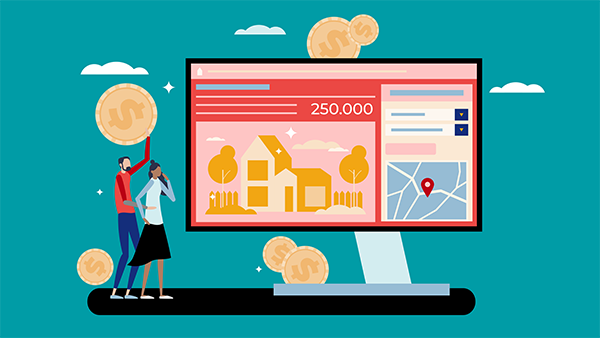
What Are Business and Finance Translation Services?
- Translation for regulated and factual content (reports, filings, compliance, tax, audit)
- Localization for local financial conventions (currency formats, numbering, dates, abbreviations, terminology)
- Transcreation when messaging needs persuasion or leadership tone (shareholder letters, executive statements, internal comms)
Our clients rely on us to make their most important content precise and impactful. In financial translation, there’s little room for ambiguity. A single error can distort meaning, breach compliance, or mislead investors. That’s why every project is handled by linguists who understand the domain and the duty of care it demands.

Why Professional Translation Matters in Business & Finance
In finance, language is part of your risk management. Even small translation errors can lead to misunderstandings, compliance issues, or reputational damage. Professional translation helps ensure your content is:
- Accurate and unambiguous (especially for figures, disclaimers, and regulated terms)
- Consistent across documents and reporting cycles (terminology, entity names, defined terms)
- Aligned with local expectations (formats, conventions, tone, and legal requirements)
- Ready for stakeholders (regulators, investors, partners, customers, employees)

What Types of Financial Documents Can Be Translated?
- Annual reports and investor briefings
- Investment prospectuses
- Tax and compliance documentation
- Audit reports
- Contracts and M&A documents
- Internal communications and strategy decks
- Market analysis and regulatory filings
- Balance sheets and income statements
- Insurance and loan agreements
We also adapt financial conventions by market, including currency display, decimal separators, date formats, capitalization norms, and standard abbreviations, so your documents look and read “native” to the target audience.
We’re often asked to help companies streamline recurring reports across jurisdictions or localize critical updates for stakeholders. Whatever your setup, we help you stay consistent, clear, and confident in every language.

Why Accuracy and Confidentiality Are Non-Negotiable
Our confidentiality and risk controls include:
- NDA-bound, vetted linguists with domain expertise
- Secure file handling and controlled access
- Version tracking for recurring reports and updates
- Optional dedicated teams for long-term consistency
- Human review + QA checks for accuracy, formatting, and terminology
Regulators don’t care if it was a translation error. Neither do clients, investors, or partners. That’s why we build in safety measures at every step – from intake to delivery.

What Makes a Good Financial Translator?
- Sector experience in banking, finance, or accounting
- Mastery of local terminology and abbreviations
- Cultural fluency (think currency conventions, numbering systems, dates, tone)
- A feel for structure and hierarchy, especially in legal-financial hybrids
We match each project with a handpicked linguist (or team) based on industry, content type, and target market.

How to Choose a Financial Translation Agency
- Sector expertise (finance, accounting, compliance, legal-financial content)
- Cultural and formatting accuracy (numbers, currencies, dates, conventions)
- Consistency at scale (glossaries, term bases, style guides)
- Clear QA process (editorial review + measurable checks)
- Secure workflows aligned with confidentiality requirements
Here’s what to look for:
- Certifications: ISO 18587 (post-editing of AI content)
- Relevant references: Ask for examples in your sector
- Language range: Not just many languages, but native-level experts in each one
- Availability: Business doesn’t sleep – your language partner shouldn’t either
We serve clients across time zones, with real humans available to answer questions and solve problems. Whether you’re up against a deadline or mid-due-diligence, we’re there.

Business Translation vs. Financial Translation: What's the Difference?
Translation vs. Localization in Business & Finance
Translation converts meaning from one language to another – essential for accuracy and clarity in financial communication.
Localization goes a step further by adapting content to local conventions and expectations, such as:
- Currency and numbering systems (1,000.00 vs 1.000,00)
- Date formats and legal references
- Market-specific terminology, abbreviations, and tone
- Document structure and hierarchy (especially in regulated formats)
Localization helps ensure your content is not only correct, but also familiar, compliant, and easy to interpret for local stakeholders.

What Industries Benefit from Business & Finance Translation?
- Banks and insurance providers
- Fintech and crypto platforms
- Investment and private equity firms
- Multinational corporations
- Legal and accounting consultancies
Some have in-house localization managers. Others come to us with no prior experience at all. Either way, we build a system that fits.

Our Approach
- Native, sector-specialist linguists (finance, accounting, compliance)
- Translation + editorial review + QA checks for accuracy and formatting
- Terminology management for recurring reports and defined terms
- Confidential workflows and controlled file handling
- AI-assisted tools (when appropriate), always validated by professionals

How Does Attached Ensure Quality and Consistency?
- Our AI Suite helps estimate translation quality before post-editing starts
- We build and maintain term bases, glossaries, and style guides specific to your company
- Every translation passes through human validation and tech-assisted QA
- Our linguists receive ongoing feedback to stay aligned with your tone and terminology
- Secure, centralized workflows make project handovers seamless – even at speed
Want a clean overview of how this works? We’re happy to walk you through it.

Let Attached Help You Inspire Globally



Why choose Attached
- Tailored solutions perfectly aligned with your specific needs and goals.
- A comprehensive service package to support your international growth and communication from A to Z.
- A dedicated team always ready to assist you, combining AI-powered tools with human expertise.
Frequently Asked Questions about Business Finance Translation
Can you translate regulated financial documents and filings?
We translate high-stakes documents such as annual reports, investor communications, compliance documentation, and regulatory filings with specialist linguists and a structured QA process.
How do you ensure consistency across recurring reports?
We build and maintain terminology resources (glossaries, term bases, and style guides) and keep version control, ensuring consistent language across reporting cycles, markets, and stakeholder formats.
What is the difference between translation and localization?
The terms translation and localization are often used interchangeably. While the terms and processes indeed share similarities, understanding what sets them apart can do a lot to help you really reach your target audience.
Translation is the process of changing an original (source) language version of content into a different (target) language by substituting words in one language for those of another – in context.
Localization is a more specialized process of adapting your content and applications for regional – or local – consumption. It goes beyond translation by modifying the source language and other copy and design elements to appeal to local customers’ cultural preferences in their own target language.
Want to read more? Then check out this blog.
Is translation technology the same as Google Translate?
There are many different types of translation technology: machine translation (such as Google Translate), CAT (computer-assisted translation) tools, automated quality assurance tools, etc. So NO, translation technology is not the same as Google Translate.
With some types of technology, no human intervention takes place to do the work, whereas other tools merely assist human translators to do their work more efficiently and consistently.
Who will be working on my texts?
Great people! Our native professional translators, the majority of whom also work and live in the country of their native language.
By working with in-country linguists, we can follow the developments of the local language from the inside and ensure the use of current day wordings in our translations. Thanks to our advanced translation management system, we can easily connect with all our translators and copywriters across the globe and keep each other updated on the jobs we are working on.
It goes without saying that all new linguists who work for us are carefully screened and tested before they become part of the team.