Workflow optimization
Unlock translation efficiency.
Smooth flow of multilingual information
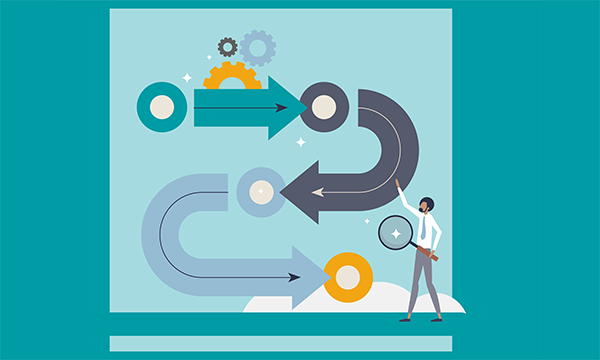
Sometimes it feels like a major challenge to keep the flow of information and tasks orderly and efficient. If you’re working with many different files in multiple languages, it can quickly become an overwhelming and complex process. Fortunately, there’s a solution: workflow optimization.
What is workflow optimization?
Workflow optimization is streamlining and improving processes, with the goal of increasing efficiency, reducing errors and maximizing productivity.
With workflow optimizations, Attached automates processes wherever possible. This can be done with an API or a custom solution. Once implemented, the result is that all the work within the communication process is streamlined and sped up, leaving everyone more time for other, more creative tasks.




How Attached helps you with workflow optimization
We have the experience and technology to optimize workflows so that the process fits your needs seamlessly. To this end, we do more than API implementation for workflow management. Check out what else we do, like:
- Build templates that allow easy processing of multilingual files. These templates make managing translation processes in multiple languages significantly smoother and more organized.
- Help choose the right label keys. These keys help classify and organize information – also for information that is presented in different languages. In this way, we ensure that the translation process runs like a well-oiled machine.

Make your workflow more efficient
Ready to optimize your workflow and improve efficiency? Contact us today. Our team of experts is ready to get you up and running, leaving you more time and energy for what really matters: growing your business. Take the first step towards a streamlined future – with Attached.





What is workflow optimization in localization?
What is the difference between translation and localization?
Workflow optimization is the process of improving and automating multilingual content workflows to reduce manual work, minimize errors, and increase efficiency.
This can include automating file transfers, translation requests, approvals, content updates, reporting, and system integrations.
How do I know if my localization workflow needs optimization?
You may benefit from workflow optimization if you regularly experience:
- Repetitive manual tasks
- Copy and paste work
- Version control issues
- Delays in content publication
- Multiple stakeholders managing translations
- Difficulty scaling multilingual content
These are often signs that processes can be streamlined through automation and smarter workflows.
What types of workflow improvements can Attached implement?
Depending on your situation, we can help with:
- Translation API integrations
- CMS and content workflow integrations
- Automated project creation
- Approval workflows
- Translation memory and terminology integration
- Multilingual content management processes
- Custom workflow automation solutions
The goal is to create a workflow that fits your organization rather than forcing your organization to fit a tool.
[MA1]vaag
Will workflow optimization reduce translation quality?
No.
Smart workflow optimization focuses on improving efficiency and reducing unnecessary manual work. Quality controls, human review steps, terminology management, and validation processes can remain fully integrated into the workflow.
In many cases, optimization actually improves quality by reducing human error and increasing consistency.
What are the benefits of workflow optimization?
Organizations typically benefit from:
- Faster turnaround times
- Reduced manual effort
- Fewer process errors
- Better visibility and control
- Improved consistency across languages
- More efficient use of internal resources
- Easier scaling of multilingual content operations
- Higher job satisfaction and less employee turnover
This allows teams to spend less time managing processes and more time focusing on strategic and creative work.