
Attached AI Verification Check
Ensure accuracy and authenticity in every word.
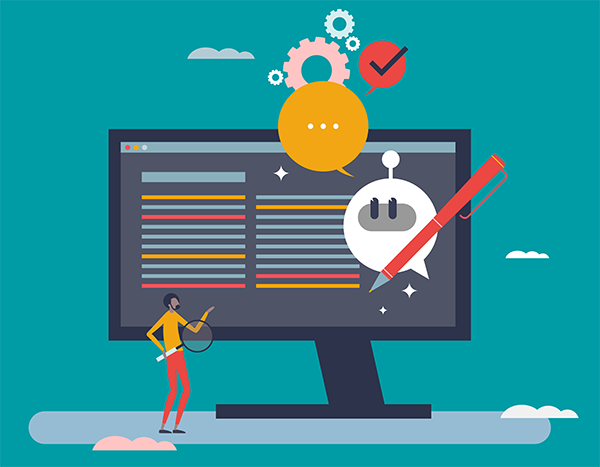
What is an AI verification check?
AI-generated content has become one of the fastest ways to scale communication, and one of the fastest ways to publish things that are inaccurate, outdated, biased, or culturally tone-deaf. Industry research shows that even leading large language models still hallucinate in roughly 3% to 27% of outputs depending on the task, with rates climbing significantly for multilingual, regulated, or domain-specific content. For any organisation publishing AI-generated content at scale, that is a measurable reputational and commercial risk.
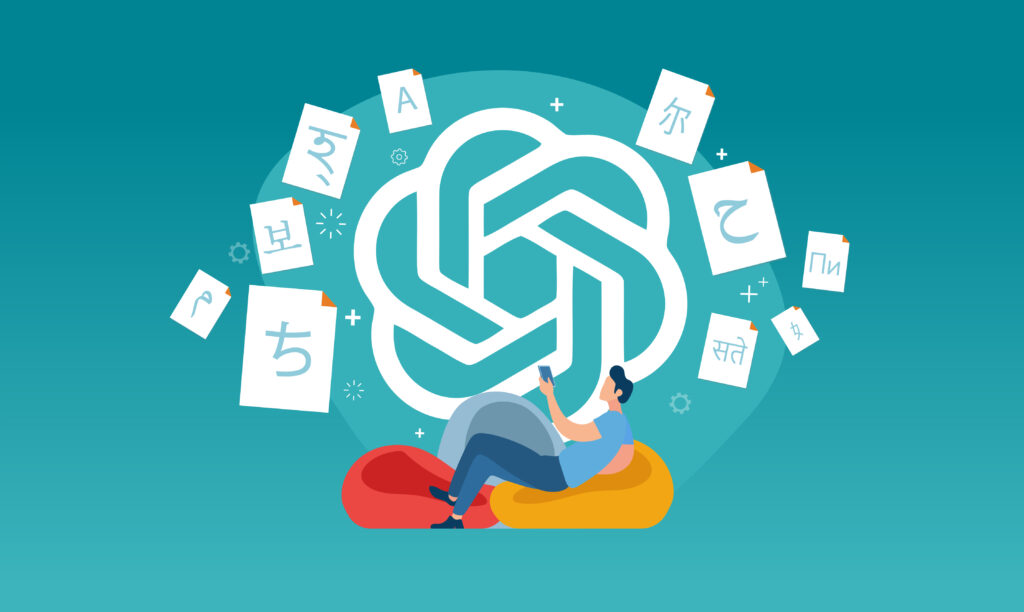
The rise of AI offers many advantages for companies that want to move quickly, including in the area of content. Several AI solutions have already shown the ability to generate and translate many types of content. However, AI bots struggle with the nuances and factual context of another language or culture. That’s why, when working with AI-generated content, it is essential to have it verified by Attached’s human experts before it reaches your audience.
An AI Verification Check is a structured human review of AI-generated content (text, translations, or multilingual copy) that validates factual accuracy, linguistic quality, bias, context, and cultural fit. It is the safety layer that lets you keep the speed of AI without inheriting its risks.
Why choose an Attached AI Verification Check?
AI bots represent one of the biggest technological developments in recent years. Very high-tech, but still far from completely error-free. Additionally, AI output is extremely dependent on the question (or prompt) it’s presented with. Our specialists and prompt engineers can help you make sure that the content you generate is correct – in any language, on any topic, and at any scale.
Our approach is built on four principles: accurate, current, unbiased, and culturally fit. We combine in-country linguistic expertise, subject-matter knowledge, and prompt engineering to give your AI content the credibility your brand depends on.


Our assurances
When Attached runs an AI Verification Check, we systematically test your AI-generated content for the most common (and most damaging) failure modes:
Facts: We make sure your content is factually correct. AI bots quite often present factual inaccuracies (aka hallucinations) and this can damage your company’s credibility.
Up to date: AI bots are often trained with older data. Recent, let alone future, events aren’t included in the output. Our experts catch outdated claims, prices, references, and regulations before they reach your audience.
Linguistic correctness: For many languages, AI bots such as ChatGPT still score significantly worse on machine translation than mainstream machines such as DeepL, Amazon and Google Translate. Have our linguistic experts perform a check on your content’s grammar, spelling and syntax, in every target language.
Bias: Many AI bots are trained on data that contains biases related to gender, ethnicity, age, or culture. We check that your content does not carry unintended biases that could harm your brand, alienate audiences, or create compliance issues.
Contextual applicability: It’s not just about what you say, but also about how and where you say it. We make sure your content fits the platform, channel, and audience it is intended for, from regulated disclosures to social posts.
Cultural engagement: Content in its broadest sense must also be culturally relevant to truly resonate. We’ll check that your idioms, visuals, examples and colour use are culturally appropriate.
Tone and brand voice: AI tends to flatten brand voice into a generic register. We verify that your AI-generated content sounds like you, not like every other AI-assisted brand in your category.
Source and citation integrity: AI is known for inventing sources, URLs, statistics, and quotes. We verify references against authoritative sources so your content is not just persuasive, it’s defensible.
What we deliver
- AI content verification for marketing and editorial output – We review AI-generated articles, product descriptions, social copy, and campaign content for accuracy, tone, and cultural fit before publication.
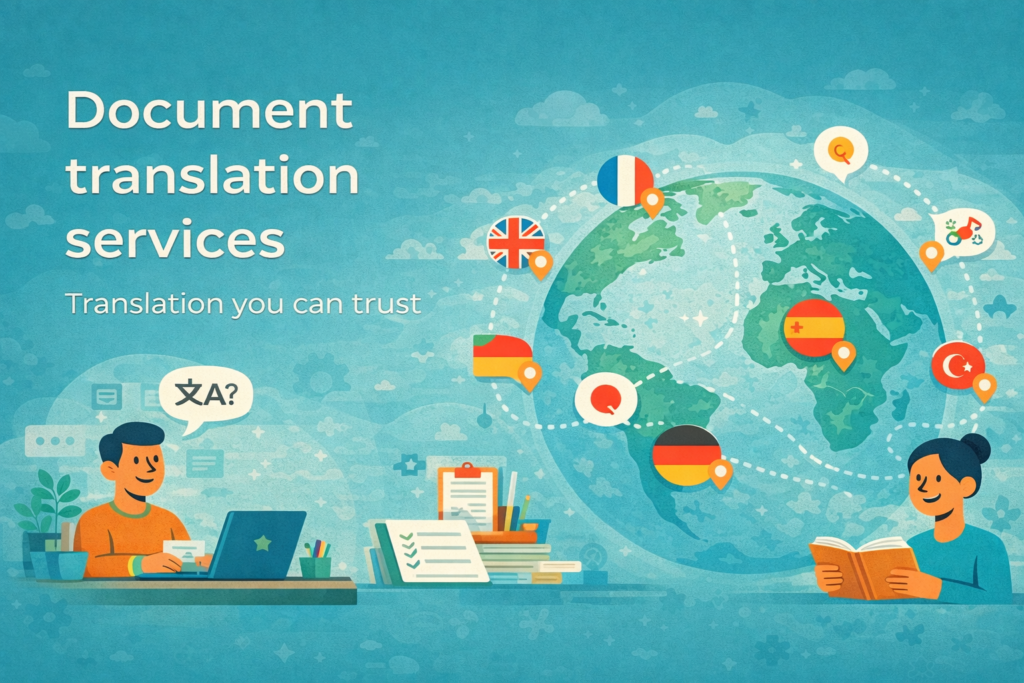
- AI translation verification (Machine Translation Post-Editing+) – We post-edit and verify AI-translated content against the source, your terminology, and the cultural context of each target market.
- Bias, inclusivity, and sensitivity reviews – We assess AI-generated content for unintended bias and recommend rewrites that protect your brand and your audience.
- Prompt engineering and prompt review – Our specialists help you design, refine, and document prompts that consistently produce higher-quality AI output, reducing the need for downstream correction.
- AI content governance frameworks – We help you build internal guidelines, sign-off workflows, and quality benchmarks for AI-generated content across teams and markets.
- Training and enablement for in-house teams – We train your marketing, comms, and localization teams to spot AI errors, write better prompts, and integrate verification into their everyday workflow.
Who benefits from an AI Verification Check?
An AI Verification Check is relevant for any organisation that uses AI to generate or translate content and cannot afford to publish inaccurate, off-brand, or culturally inappropriate material.
- Marketing & content teams – AI accelerates content production, but unverified output erodes trust the moment a customer spots a factual error or a tone that does not match your brand. Verification keeps the speed of AI without the reputational risk.
- Global brands and localization teams – AI translation looks fluent but routinely misses cultural nuance, idiom, and brand-specific terminology. Verification ensures your AI-translated content actually performs in every target market.
- Legal, compliance & regulated industries – In regulated environments, an AI hallucination is not just embarrassing – it can become a compliance issue. Verification creates a traceable, defensible quality layer between AI output and publication.
- Financial services & insurance – Product descriptions, disclosures, and customer communications generated by AI must be factually accurate, legally precise, and culturally appropriate across markets. Verification protects both customer trust and regulatory standing.
- Healthcare, pharma & life sciences – AI-generated patient information, HCP content, or scientific summaries that contain hallucinations or outdated data can cause clinical harm and trigger regulatory action. Verification is non-negotiable in this sector.
- E-commerce & retail – AI-generated product descriptions and category copy scale well — until errors about specifications, ingredients, or availability start driving returns and complaints. Verification keeps catalogue content trustworthy at scale.
- Publishers, media & education – Audiences and search engines increasingly penalise low-quality, AI-generated content. Verification ensures your AI-assisted editorial meets the bar for accuracy, originality, and credibility.
- Customer service & support – AI-generated responses, knowledge-base articles, and chatbot scripts that miss the mark create more support tickets than they prevent. Verification ensures AI helps customers instead of frustrating them.
Wherever AI generates content, Attached’s AI Verification Check helps you publish with confidence.

Ready to publish AI content with confidence?
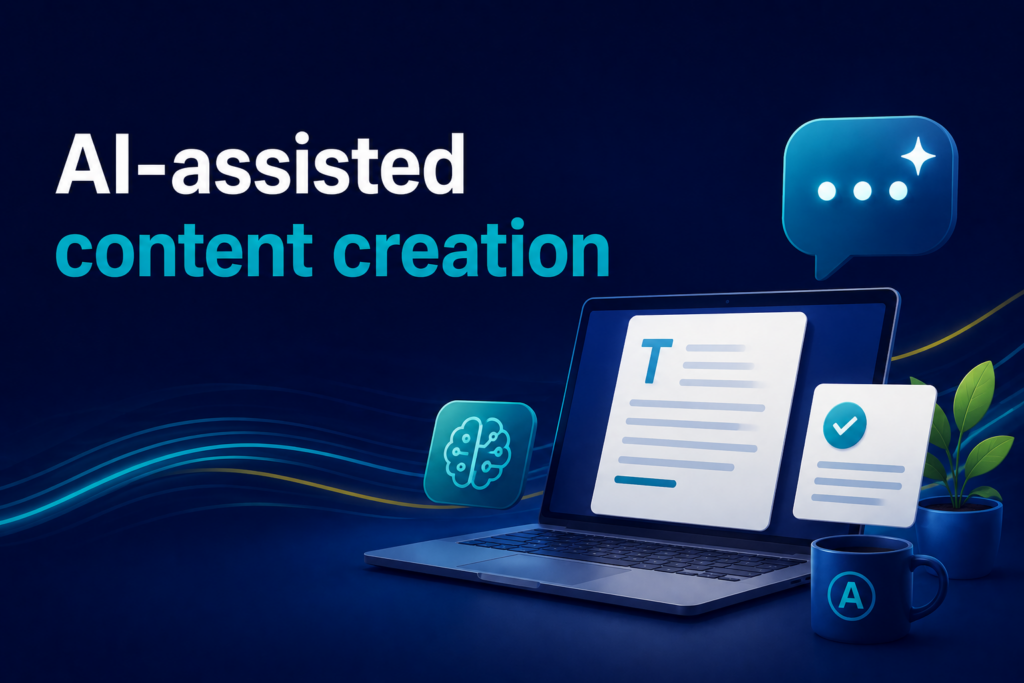
With Attached, you gain a partner committed to the proper, expert application of AI tools, and to the human judgement that decides when AI output is ready for publication and when it is not. We combine prompt engineering, linguistic expertise, cultural knowledge, and editorial discipline into a single verification layer that protects your brand and accelerates your content operation.
Book a consultation today and discover how the Attached AI Verification Check makes your AI-generated content accurate, current, inclusive, and globally effective.



Why choose Attached
- Tailored solutions perfectly aligned with your specific needs and goals.
- A comprehensive service package to support your international growth and communication from A to Z.
- A dedicated team always ready to assist you, combining AI-powered tools with human expertise.
Questions & Answers
Why does AI-generated content need verification?
Even the most advanced large language models still produce hallucinations, outdated information, biased phrasing, and culturally inappropriate output. For any content that affects your brand, customers, or compliance position, human verification is essential before publication.
What is an AI hallucination?
An AI hallucination is content that an AI tool generates with confidence but that is factually incorrect, fabricated, or unsupported by any real source. Common examples include invented statistics, made-up citations, non-existent products or features, and fictional quotes attributed to real people.
Can I just use an AI detection tool instead?
AI detection tools tell you whether content was probably written by AI. They do not tell you whether the content is accurate, unbiased, or culturally appropriate. Those are human judgement calls, and the core of what an AI Verification Check delivers.
Which AI tools do you verify content from?
We verify content generated by all mainstream AI tools, including ChatGPT, Claude, Gemini, Copilot, DeepL, and custom enterprise models. Our process is tool-agnostic – what matters is the output, not the tool that produced it.
Do you verify AI translations as well as AI-generated text?
Yes. AI translation is one of the highest-risk areas of AI content, because fluency can disguise inaccuracy. Our in-country linguists verify AI-translated content against the source, your terminology, and the cultural context of each target market.
How long does an AI Verification Check take?
Turnaround depends on content volume, language pairs, and subject matter. Single pieces can be verified in hours; large-scale, ongoing content operations are typically supported with continuous verification workflows. We will scope this clearly during your consultation.
Can you help us improve our prompts so we get better AI output to begin with?
Yes. Our prompt engineers help you design, refine, and document prompts that consistently produce higher-quality output, reducing the volume of corrections needed downstream.
Will you help us build internal AI content guidelines?
Yes. We help organisations build AI content governance frameworks: when AI may be used, what must be human-verified, how content is signed off, and how quality is measured across teams and markets.