
Website audits
Unlock global opportunities.

Do you want to ramp up your international business or already have an international website? It can sometimes be difficult to know where to start or if your communication is internationally compliant. To get you on your way, an audit of your website is an excellent point of departure. An audit gives you the right tools to grow internationally. Read on for the different types of audits.
What are Website Audits?
Website audits are thorough assessments of your website to understand how it’s performing and can be optimized. At Attached, we focus on 2 different types of audits: Content Audits and Tech Audits.
Did you know we also offer SEO audits? Click here to read more about our SEO services.




International Content Audits
With an international content audit, one of our specialists will analyze your current content to answer:
- Which languages should be included and which should be prioritized in your multilingual marketing and communications strategy?
- How can you make your content culturally relevant? And how can you best respond to the reactions of various cultural and target audiences for optimal results?
- What steps do we recommend to establish a consistent tone of voice for all your different international audiences?
- One way we do this is by creating a style guide.
International Tech Audits
In addition to content, the technical infrastructure of your website is critical to your international performance. For this, 2 aspects play an important role:
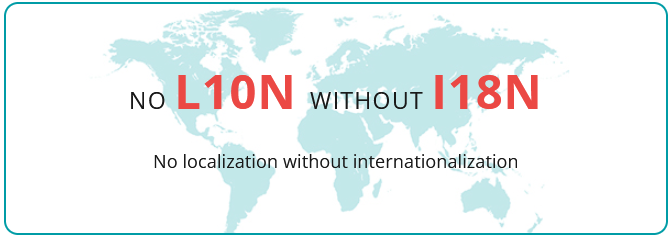
- The extent to which the code of your website or app is also suitable for localization to other languages. This aspect is called internationalization, also known as i18n.
- The extent to which smart workflows can be implemented to connect systems. The goal here is often an agile localization process and CI/CD (continuous integration and delivery).
Le/en/technology/technology-workflow-optimization/t our specialists help you speed up, improve and make your processes easier.
Internationalization focuses on preparing your code to enable localization.

Our method
At Attached, we follow a strict methodology to ensure that our audits are thorough and effective. You can expect the following steps during the audits:
- We define the scope and desired responses.
- We put together the team of specialists.
- We create the relevant questions to gain the desired insights.
- We conduct the audit.
- We analyze the results.
- We create an action plan (including role division).
- We implement the action plan.
- We monitor progress and follow-up.

Get your website audited by Attached
With a thorough approach, we help you optimize your website for international success. To do so, we combine quality and technology. Do you have questions about this service or want to submit your questions? Then contact us today to discuss the possibilities and discover how an international website audit is the best first step towards global growth.






Why choose Attached
- Tailored solutions perfectly aligned with your specific needs and goals.
- A comprehensive service package to support your international growth and communication from A to Z.
- A dedicated team always ready to assist you, combining AI-powered tools with human expertise.
Questions & Answers
What is a website audit?
A website audit provides a clear picture of how your website is performing and highlights practical opportunities to improve clarity, user experience, search visibility, visitor engagement, and conversions.
What is the difference between a content audit and a technical audit?
A content audit focuses on the effectiveness of your content, messaging, languages, target audiences, and international communication strategy.
A technical audit focuses on the underlying infrastructure of your website, including internationalization (i18n), localization readiness, integrations, workflows, and technical scalability.
Can you audit multilingual and international websites?
Yes.
Our audits are specifically designed for organizations operating across multiple languages and markets. We assess both linguistic and technical factors to identify opportunities for international growth and improved localization performance.
What do we receive after a website audit?
You receive a clear overview of findings, recommendations, priorities, and next steps.
Depending on the scope, this may include content recommendations, localization opportunities, workflow improvements, technical considerations, and a practical action plan for implementation.
When should a company consider a website audit?
A website audit is particularly valuable when:
- Expanding into new markets
- Launching multilingual websites
- Improving international customer experience
- Scaling content operations
- Optimizing localization workflows
- Reviewing existing international performance
It helps identify opportunities before investing time and budget into larger international initiatives.